
The Living Classroom Framework

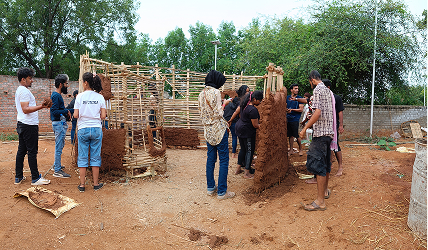
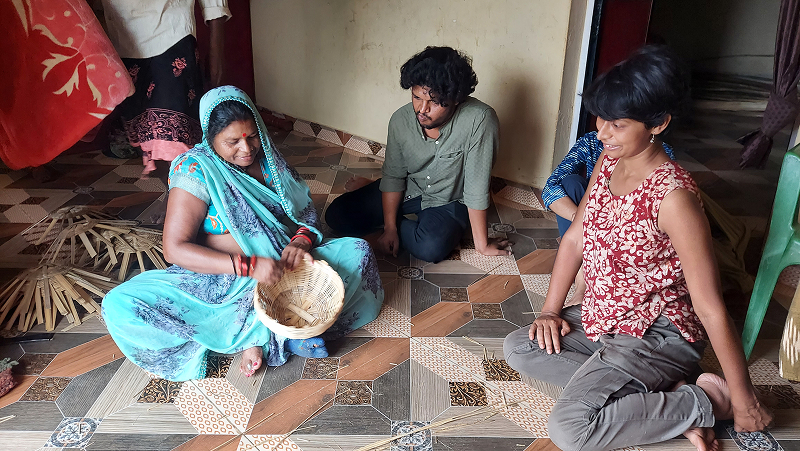
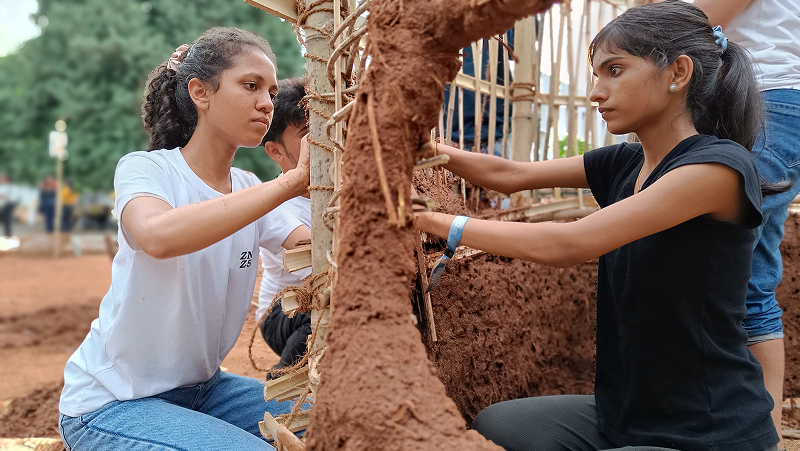
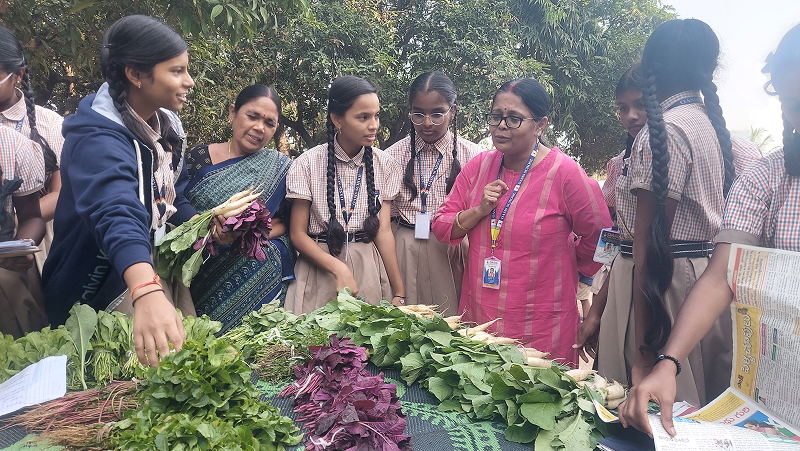
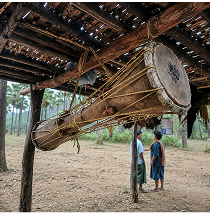
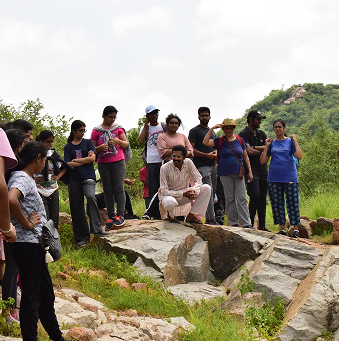
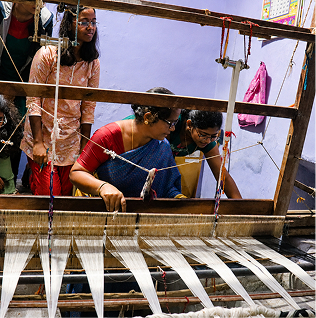
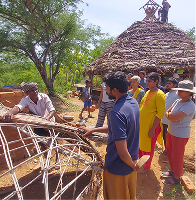
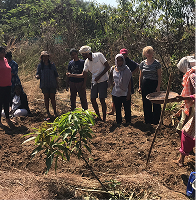
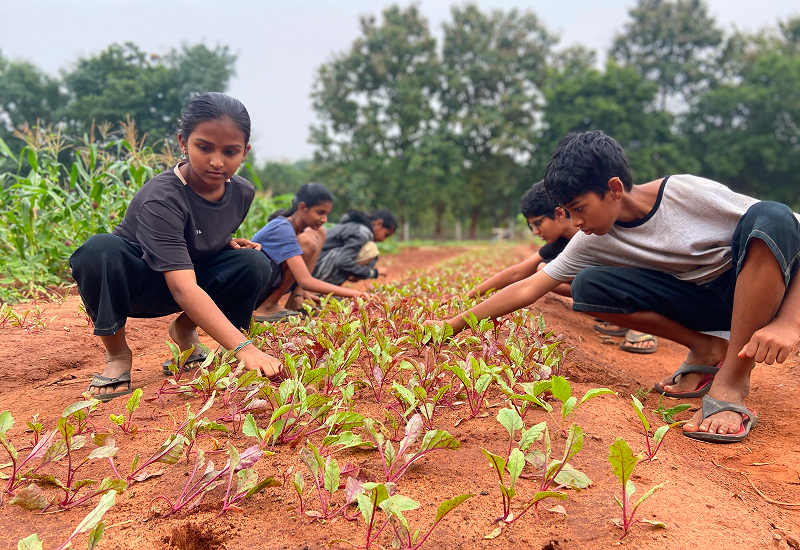
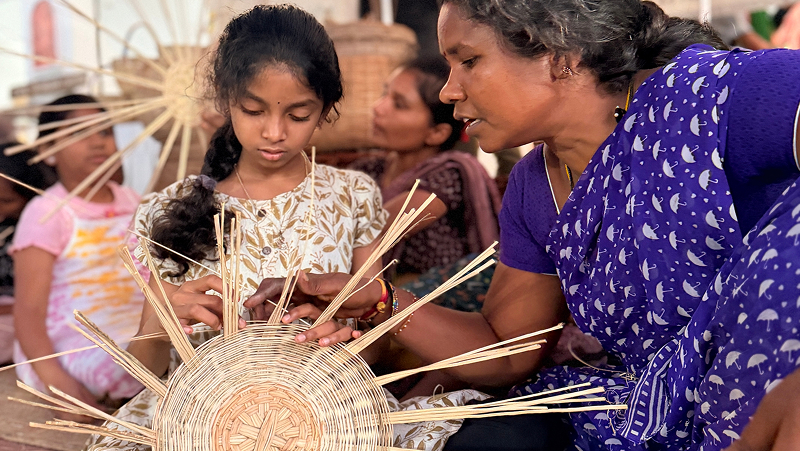
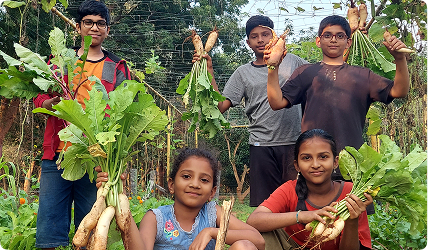
Craft work
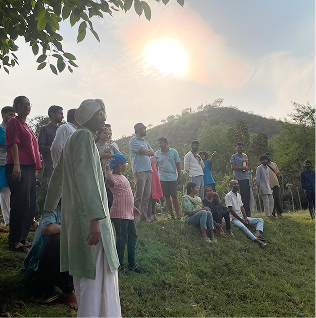
Traditional activity
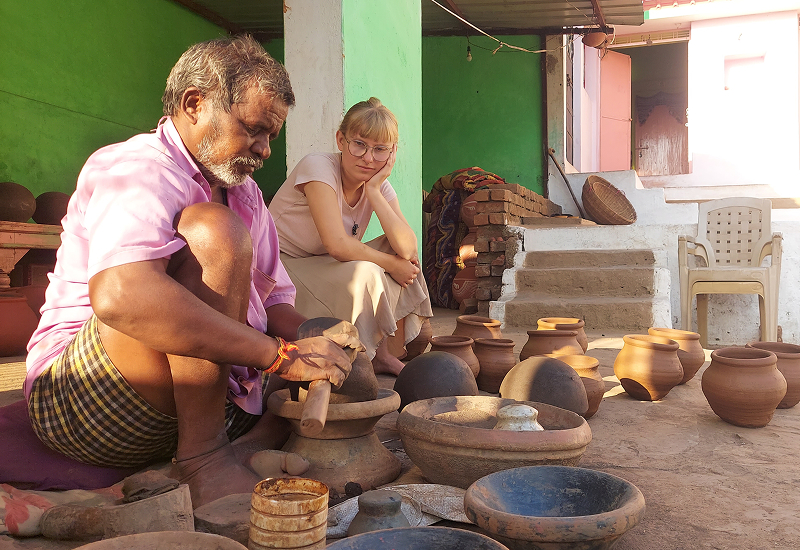
Traditional craft
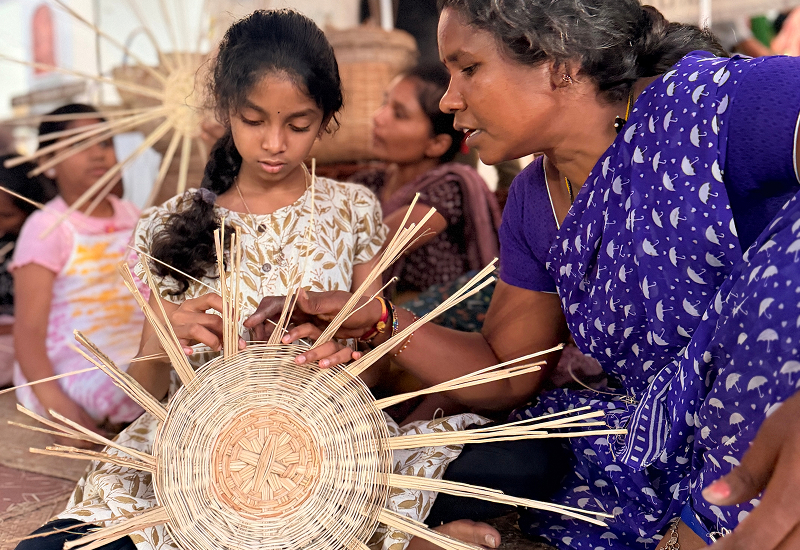
Community activity

Why Learning Needs to Change?

Preparing Students for a World of Complexity

For generations, education has helped learners understand the world through books, classrooms and structured instruction. Today, that remains essential but it is no longer sufficient. Modern education has given students unprecedented access to information. Yet many students have limited opportunities to investigate how knowledge works in the real world. These capabilities cannot be developed through information alone.

They may learn about ecosystems without cultivating a garden. Study geometry without designing a structure. Explore sustainability without understanding the land that sustains them. Learn about agriculture without ever growing food. They grow through meaningful experience.

Across the world, schools are therefore rethinking how learning happens. Increasingly, education is moving beyond isolated subjects and towards inquiry, interdisciplinary learning and authentic engagement with the world beyond the classroom. The Living Classroom Framework responds to this educational shift by creating structured opportunities for students to learn through direct participation in living systems while strengthening academic learning across the curriculum.

Craft work
Traditional activity
Traditional craft
Community activity

Why Schools Are Rethinking Learning

Why Experiential Learning Matters Today

The most enduring lessons are not taught. They are experienced 

Education has never had access to more information. Yet many students have fewer opportunities to experience the living systems that sustain everyday life. Food appears without understanding agriculture.  Homes are occupied without understanding materials.  Water is consumed without understanding watersheds.

Technology connects us globally while often distancing us from the landscapes, communities and knowledge systems around us.

NEP 2020 recognises this crisis, calling for experiential learning, vocational exposure and local knowledge systems as part of a child's core education not as an add-on.

Leading schools are already acting. The question most Principals and Curriculum Heads are asking now isn't whether to bring indigenous ecological knowledge into the curriculum; it's how, and with whom.

Preparing Students for a World That Cannot Be Learned from Books Alone. Many students can find the nearest supermarket. Few have stood beside a river and watched it shape the land.

What Is The Living Classroom?

Not Extracurricular. Not a Workshop. A Methodology.

A Living Classroom is not a location. The Living Classroom is FIEK's rigorously developed pedagogical model for experiential, interdisciplinary learning. It treats the school campus and the land beyond it as an active learning environment where students engage with living systems rather than static information. The framework is built on four interconnected relationships that shape daily life: our relationship with Nature, with Food, with Shelter, and with Materials. Each relationship becomes a doorway into science, mathematics, social studies, design, and environmental literacy. Rather than separating academic subjects from everyday life, the Living Classroom reveals their connections. Mathematics emerges through measurement and design. Science becomes visible through soil, water and ecosystems. History is encountered through traditional practices. Engineering takes shape through natural building. Art develops through making. Ecology becomes something students experience rather than memorise

Living
Classroom

Learning that is rooted in life
connected to all.

Nature

Our first teacher, Observe wonder
and learn from the living world.

Community

Learning Together, with and from
each other.

Culture

Rooted in traditions, stories,
values and living heritage.

Agriculture

Understands food systems by
growing, nurturing and harvesting.

Architecture

learn through space, materials and
sustainable design.

Craft

Create with hands, Explore skills,
creativity and mindfulness.

Curriculum

integrated, experiential and
interdisciplinary learning for life.

The Living Classroom Learning Cycle?

How Meaningful Learning Happens

The framework follows a repeatable learning process that encourages students to investigate the world systematically.

1
Observe

Observe

Discover the wisdom hidden in landscapes, rivers, villages, and communities through careful observation and meaningful exploration.

2
Understand

Understand

Analyse systems, connect patterns, and build a deep comprehension of ecological and social interdependencies.

3
Experience

Experience

Engage in hands-on activities that transform theoretical concepts into lived reality and lasting memories.

4
Practice

Practice

Apply new skills repeatedly in real-world contexts, mastering the techniques required for sustainable living.

5
Reflect

Reflect

Pause to evaluate growth, internalize lessons learned, and prepare the mind for the next cycle of learning.

Measuring What Matters

The Living Classroom Framework is designed not simply to deliver memorable experiences, but to cultivate enduring ways of thinking and learning. Rather than focusing only on content knowledge, every experience strengthens a broad set of competencies that help students engage thoughtfully with an increasingly complex world.

  • graph-iconEcological literacy
  • atom-iconSystems thinking
  • blueprint-iconCritical thinking
  • beziercurve-iconScientific observation
  • leaf-iconCreativity
  • mathoperations-iconPractical problem-solving
  • graph-iconCollaboration
  • atom-iconCommunication
  • blueprint-iconCultural understanding
  • blueprint-iconEnvironmental responsibility

Programme Pillars

How Learning Comes Alive

The Living Classroom Framework comes to life through immersive learning experiences designed around real ecological systems.
Instead of isolated activities, each programme becomes a context through which multiple academic disciplines converge.

knowledge-pic1

Nature as Classroom

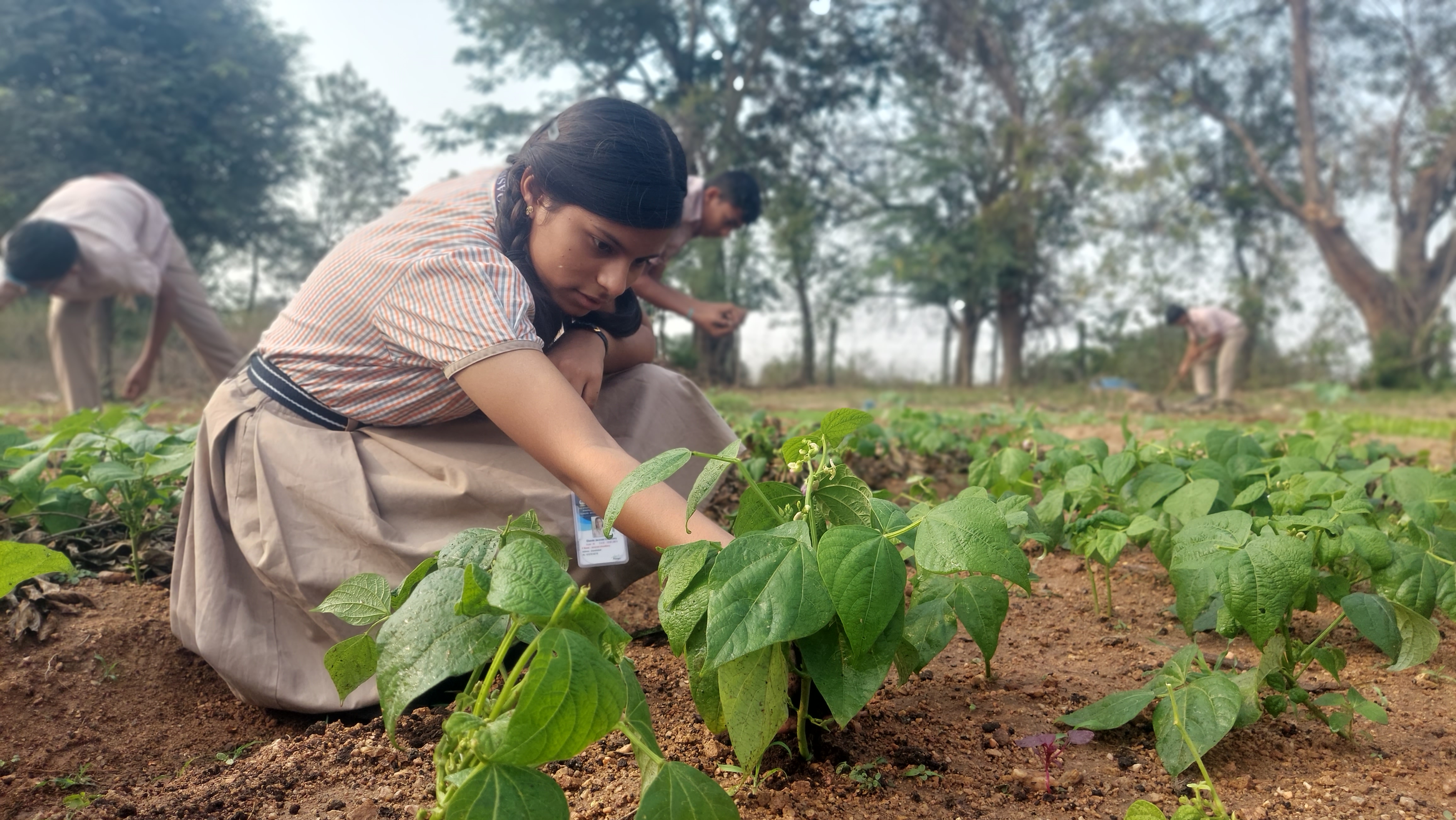
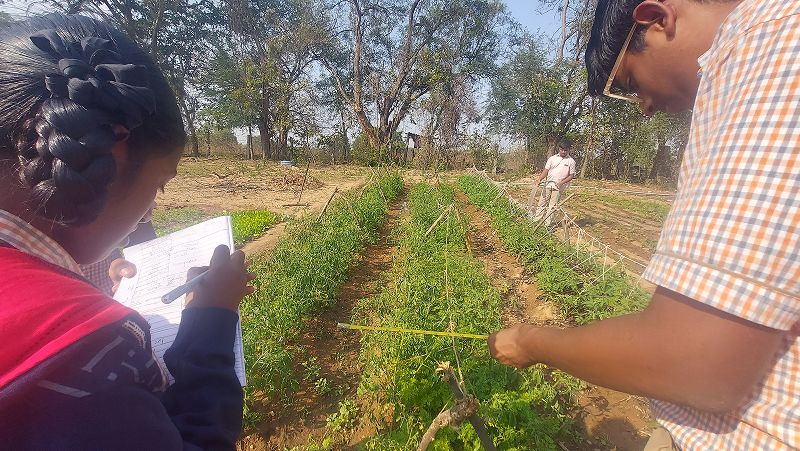
A year-long, NEP-aligned farming and sustainability curriculum. Students co-create and maintain an organic garden on their own campus, applying maths, biology and economics to a plot of real land.

Curriculum Connections:
  • atom-iconScience
  • leaf-icon Environmental Studies
  • globestand-icon Geography
  • mathoperations-iconMathematics
  • palette-iconArt
  • translate-iconLanguage
Students Will:
  • Observe ecological patterns
  • Conduct field Investigations
  • Document biodiversity
  • Develop scientific inquiry
  • Reflect through journals and sketchbooks
knowledge-pic2

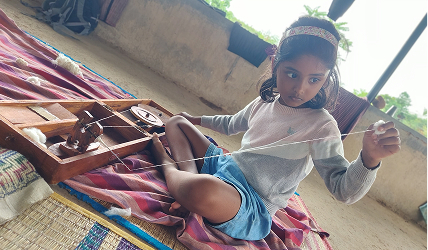
Cotton to Cloth

From a raw cotton boll to a woven cloth. Students spin on a charkha, extract natural dye, and weave on a tapestry loom, tracing India's textile heritage through science, history and craft.

Curriculum Connections:
  • bank-iconHistory
  • bookbookmark-iconEconomics
  • mathoperations-iconMathematics
  • angle-iconDesign
  • leaf-iconScience
  • palette-iconArt
Students Will:
  • Explore traditional textile knowledge
  • Understand natural fibers
  • Learn from artisan communities
  • Connect design with sustainability
  • Appreciate material culture
knowledge-pic3

The Shelters

Immersive natural-building workshops in earth, bamboo and lime. Students construct a real miniature or life-sized structure, learning load, structure and material science by building, not reading.

Curriculum Connections:
  • graph-iconSTEM
  • atom-iconPhysics
  • blueprint-icon Engineering
  • beziercurve-iconArchitecture
  • leaf-iconEnvironmental Studies
  • mathoperations-iconMathematics
Students Will:
  • Build with natural materials
  • Understand climate responsive design
  • Investigates structural principles
  • Experience terdiurnal construction techniques
  • Collaboration on real building projects

The Living Classroom Framework is not simply inspired by nature. It is informed by people whose lives remain deeply connected to it.

Craft work
Traditional activity
Traditional craft
Community activity

Why Schools Are Rethinking Learning

Why Schools Adopt the Living Classroom Framework

Schools increasingly seek educational approaches that engage students while remaining aligned with curriculum goals.

The Living Classroom Framework supports this by helping schools:

  • connect academic concepts with practical experience
  • strengthen interdisciplinary learning
  • encourage inquiry-based education
  • support experiential learning objectives within NEP 2020
  • create meaningful sustainability education
  • introduce vocational and life-skill experiences
  • make learning more engaging and memorable

Rather than adding another extracurricular activity, the framework provides a structured approach that complements formal education and supports long-term educational development.

Find Your Learning Path
Pillaikalu
Start a Conversation
Learning Path